


A Brewing Public Health Crisis: The Impact of U.S. Immigration Policy on Access to Healthcare
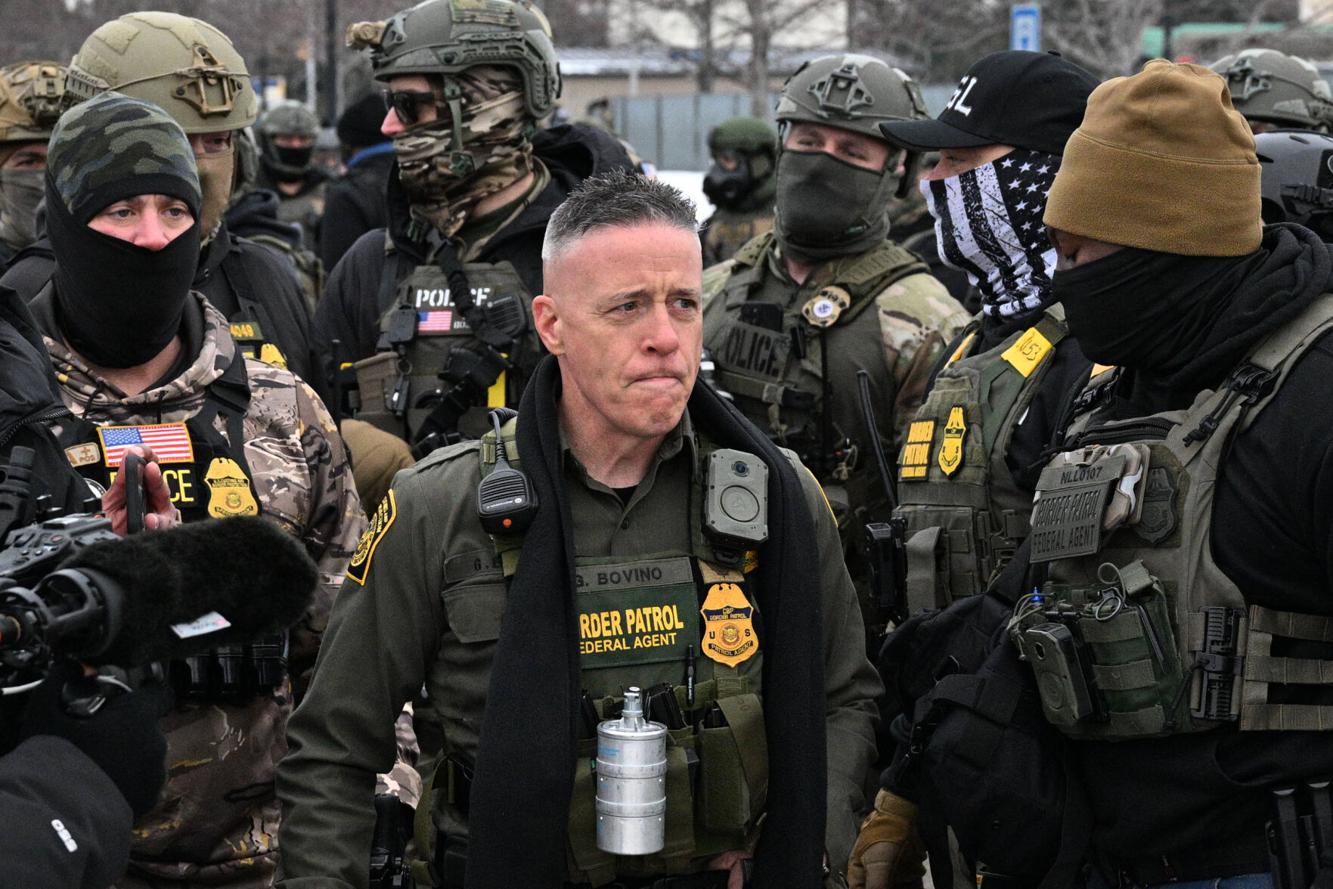
As immigration control operations intensify in the United States, the medical community is sounding the alarm. The presence of federal agents in hospitals and the widespread fear it generates are creating a public health barrier with potentially lasting consequences.
Empty waiting rooms, canceled medical appointments, declining vaccination rates… For many practitioners across the country, the situation evokes the darkest days of the Covid-19 pandemic. But today, it is not a virus that is emptying clinics—it is fear. The fear of daring to walk through a hospital’s doors and coming face to face with agents in tactical gear.
When the hospital becomes a place of intimidation
In the Twin Cities region (Minneapolis and Saint Paul, Minnesota), the massive deployment of Immigration and Customs Enforcement (ICE) agents has plunged the healthcare system into a state of panic. A senior physician at a major local hospital, who requested anonymity for fear of reprisals, describes a surreal atmosphere: armed agents occupying hallways, stationed outside the rooms of patients held under federal guard.
“Our mission is to provide care, not to enforce order. It’s a role we had never been placed in before,” he says.
The turning point came in January, when the Trump administration rescinded a Biden-era directive that had prohibited immigration enforcement operations in so-called “sensitive” locations such as hospitals, schools, and places of worship. Officially, the Department of Homeland Security (DHS) maintains that its agents do not conduct operations in hospitals except in cases of imminent danger to public safety. Tricia McLaughlin, DHS Assistant Secretary, told CNN that the presence of agents is limited to escorting detainees who require medical care—a “standard procedure,” according to her.
Yet the reality on the ground appears more complex and more troubling. The Twin Cities physician reports repeated and insistent requests from agents for medical information protected by law (HIPAA): daily updates, discharge dates, patients’ cognitive status. When doctors refused, agents turned to less-trained staff, creating a climate of confrontation.
“We had to create protocols from scratch to handle these unprecedented situations. The pressure was constant, and the intimidation was very real. One agent even demanded my full identity for his superior after I refused to provide confidential data.”
Beyond the requests for information, the mere presence of agents disrupts hospital operations. Stationed outside patient rooms, they obstruct the movement of healthcare workers. The physician recounts hearing agents shouting in hallways and questioning staff about their backgrounds, plunging the team—despite its diversity—into deep unease.
“Every day, I saw colleagues in tears, overwhelmed by fear and distress over our patients’ stories. It felt like we were back at the height of Covid, but with an added layer of existential anxiety.”
Although the DHS officially ended its intensive operation in Minnesota on February 12, the fear has remained. The decline in visits to healthcare facilities is still just as pronounced.
Patients in hiding, public health at risk
The phenomenon extends far beyond patients under federal escort. The diffuse threat of ICE operations alone is enough to deter people from seeking care. Dr. Brian Muthyala, who practices at several facilities in the Twin Cities, observes medical desertification across the entire metropolitan area.
“People are no longer coming in for consultations, they’re avoiding emergency rooms, they’re postponing surgeries. In our pediatric, obstetrics, and primary care clinics, no-show rates are phenomenal. To an outside observer, everything may seem back to normal. It’s not.”
The consequences of this avoidance of care are not immediately visible, but healthcare professionals worry about long-term effects. It is not only access to physicians that is hindered. Dr. Muthyala notes that many people are also avoiding supermarkets and pharmacies, leading to food insecurity and poor adherence to treatment.
“Between hunger, rationing medications to make them last longer, and the psychological trauma experienced by families, an entire healthcare ecosystem is deteriorating.”
When asked about these harmful consequences, the DHS once again pointed to “violent agitators” who, by blocking roads, are allegedly the real obstacles to Americans’ access to care. Meanwhile, the drop in patient numbers threatens the already fragile financial stability of many hospitals and clinics—a situation reminiscent of the economic hardships faced during the pandemic.
Reaching patients: medicine mobilizes
Faced with this alarming reality, some healthcare organizations are innovating to avoid abandoning the most vulnerable. In Los Angeles, the St. John’s Community Health network saw no-show rates surge from 8% to more than 35% during ICE operations this summer, according to its president, Jim Mangia.
In response, the organization launched the “Healthcare Without Fear” program. Specially trained care teams now travel directly to the homes of patients who have missed appointments or who no longer dare to leave their houses. Recognizing that fear extends to everyday activities, the teams began delivering food and essential supplies alongside medical care.
Among the beneficiaries is Doris, a 58-year-old Salvadoran woman who arrived in the United States in 2021. Like approximately 20 to 25% of the network’s patients, she is undocumented and lives in constant fear. Thanks to home visits, she can receive care without risking arrest.
Epilogue: a public health earthquake with invisible aftershocks
CNN’s report highlights a tragic paradox. Immigration enforcement measures, justified in the name of security, are generating a major public health insecurity. By transforming hospitals—symbols of care and refuge—into extensions of immigration enforcement, they push an already vulnerable population into hiding… and into silent illness.
The courageous initiatives of “medicine beyond the walls” are bandages on an open wound. They cannot replace public policy that guarantees universal access to care—a fundamental principle undermined by fear and intimidation. Today, the shockwave of these policies is visible in declining patient numbers; tomorrow, it will appear in public health statistics, where the damage is always slower—and more costly—to repair.